

Empowering Hearts and Minds with Ethical Excellence
-
by
shaud
 shaud
shaudA Holistic Approach to Moral Education for Schoolchildren in Collaboration with Parents and Teachers
Executive Summary:
In today’s rapidly changing world, the importance of moral education for schoolchildren cannot be overstated. As educators, parents, and society at large, we bear a collective responsibility to instill values, ethics, and empathy in the next generation. This concept note outlines an innovative approach to moral education, focusing on a collaborative effort involving schools, parents, and teachers to nurture well-rounded, morally conscious individuals.
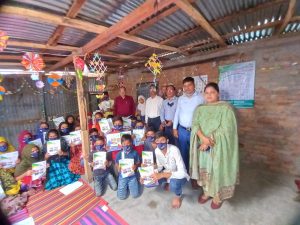

Moral education is the foundation upon which responsible citizens, compassionate leaders, and empathetic individuals are built. To cultivate these qualities, a comprehensive moral education program must be established that transcends traditional classroom boundaries.
Objectives:
- Foster Values-Based Learning: Develop a curriculum that integrates values, ethics, and empathy into daily classroom activities.
- Promote Collaborative Learning: Encourage parents, teachers, and students to actively participate in moral education, creating a holistic learning environment.
- Enhance Teacher Training: Equip educators with the skills and tools necessary to effectively convey moral lessons to students.
- Involve Parents as Partners: Engage parents as active partners in their children’s moral education, offering guidance and resources for at-home reinforcement.
Components of the Program:
- Curriculum Integration: Develop a values-based curriculum that infuses moral lessons into various subjects, enabling students to connect theoretical knowledge with practical ethics.
- Teacher Training: Conduct regular workshops and training sessions for teachers to enhance their capacity to deliver moral education effectively.
- Parent Engagement: Organize seminars, workshops, and informational sessions for parents to understand and support the moral education program.
- Interactive Activities: Incorporate interactive activities, group discussions, role-playing, and real-life scenarios to engage students in moral dilemmas and ethical decision-making.
- Community Involvement: Encourage schools to collaborate with local community organizations, religious institutions, and social groups to provide students with exposure to diverse ethical perspectives.
- Assessment and Feedback: Implement continuous assessment methods to track students’ moral development and gather feedback from parents, teachers, and students to improve the program.
Benefits:
- Character Development: Graduates will possess strong moral values, empathy, and ethical decision-making skills.
- Improved Academic Performance: Moral education can positively impact overall academic performance, as students are more focused, disciplined, and motivated.
- Stronger Parent-Teacher Collaboration: A shared commitment to moral education will strengthen the partnership between parents and teachers.
- Social Responsibility: Graduates will be more inclined to participate in community service and contribute positively to society.
Implementation Strategy:
- Pilot Program: Begin with a small-scale pilot program in select schools to fine-tune the curriculum and strategies.
- Teacher Training: Provide ongoing training for teachers, including access to resources and experts in moral education.
- Parent Outreach: Develop communication channels to keep parents informed and engaged, offering resources and support.
- Monitoring and Evaluation: Implement regular assessments and evaluations to measure the program’s impact and identify areas for improvement.
- Scaling Up: Expand the program to additional schools based on the success of the pilot and ongoing assessments.
In a world marked by challenges that require empathy, ethics, and responsible decision-making, a robust moral education program is essential. By involving schools, parents, and teachers in a collaborative effort, we can create a generation of morally conscious individuals equipped to address the complex ethical issues of the future. This concept note serves as a blueprint for a transformative approach to moral education that will shape the hearts and minds of our schoolchildren.